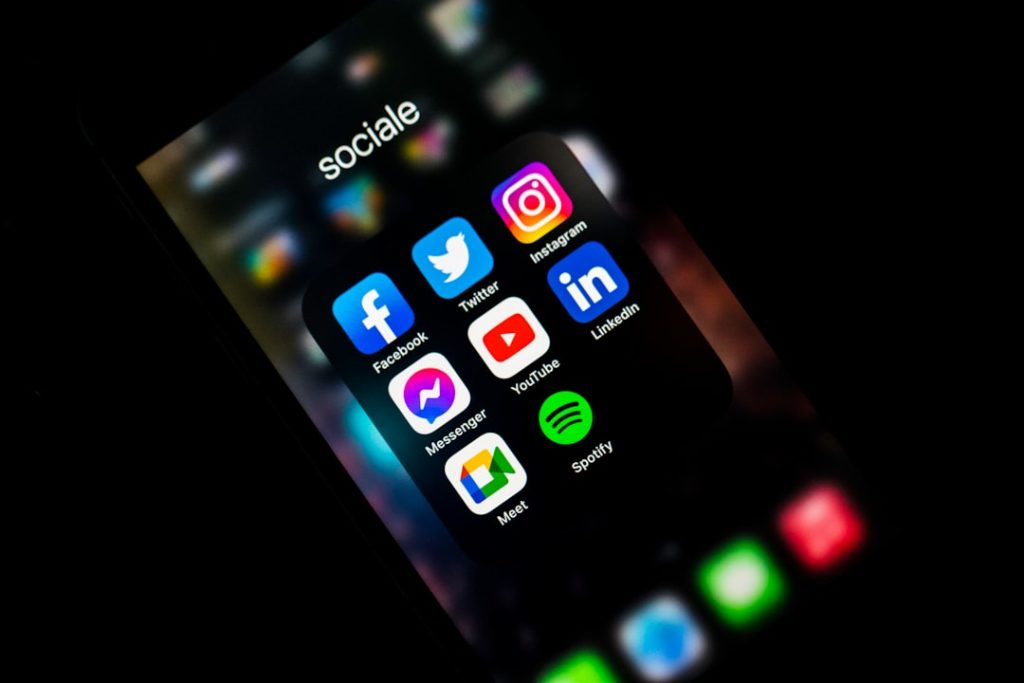

I’ve poured a lot of my own energy into figuring out how to make products stand out without breaking the bank. It’s a constant learning process, and one area where I’ve seen genuine traction is through the strategic use of social media, specifically for marketing without the need for paid advertising. It’s not magic, and it certainly isn’t effortless, but with the right approach, social media can be a powerful engine for getting my products noticed and into the hands of customers.
Before I dive into specific tactics, it’s crucial to grasp the foundational principles that underpin any successful free social media marketing strategy. It’s about more than just posting pretty pictures; it’s about building a connection, offering value, and becoming a recognizable and trustworthy source.
Defining My Target Audience
This is the absolute first step. I can’t effectively market to everyone. I need to know precisely who I’m trying to reach. This involves thinking deeply about their demographics, their interests, their pain points, and where they spend their time online.
Creating Detailed Buyer Personas
I find it incredibly helpful to create fictional representations of my ideal customers. These aren’t just vague descriptions; they include their job titles, their daily routines, their preferred social media platforms, the kind of content they consume, and what motivates their purchasing decisions. The more detailed these personas, the better I can tailor my content and engagement strategies.
Identifying Key Demographics and Psychographics
Beyond the basics of age and location, I need to understand the psychographics of my audience. What are their values? What are their aspirations? What are their fears? This deeper understanding allows me to craft messaging that resonates on an emotional level.
Selecting the Right Social Media Platforms
Not all platforms are created equal, and trying to be active everywhere is a recipe for burnout and diluted effort. I need to choose platforms where my target audience is most likely to be found and where my product can be showcased effectively.
Platform Suitability for My Product Type
A visually driven product, for instance, might thrive on Instagram and Pinterest. A service-based offering might do better with LinkedIn and Twitter. I analyze the nature of my product and match it to the strengths and user base of each platform.
Audience Concentration on Specific Platforms
I conduct research to see where my defined buyer personas are most active. There’s no point in spending time on TikTok if my audience primarily uses Facebook groups. Understanding their digital hangouts is paramount.
Establishing Clear Marketing Objectives
Without clear goals, my efforts are directionless. I need to define what success looks like for my free social media marketing.
SMART Goal Setting
I apply the SMART framework: Specific, Measurable, Achievable, Relevant, and Time-bound. This helps me avoid vague aspirations and instead sets concrete targets.
Key Performance Indicators (KPIs) for Success
Depending on my objectives, my KPIs might include follower growth, engagement rates (likes, comments, shares), website traffic originating from social media, or even direct sales attributed to social channels.
Crafting Compelling and Valuable Content
Content is the currency of social media, especially when I’m not paying for reach. I need to create content that not only showcases my product but also educates, entertains, or solves a problem for my audience.
Understanding Content Pillars
I identify a few core themes or topics related to my product and brand that I can consistently create content around. This provides structure and ensures variety while staying relevant.
Educational Content: How-Tos and Tutorials
I find that demonstrating the value and utility of my product through instructional content is incredibly effective. This could be a video showing how to use a feature, a blog post explaining a benefit, or a series of tips related to the problem my product solves.
Entertaining Content: Behind-the-Scenes and Personality
People connect with people, not just products. I share glimpses into my process, my motivations, and my brand’s personality. This humanizes my offering and builds trust. It makes my brand relatable.
Storytelling: Brand Narratives and Customer Journeys
I weave narratives that highlight the origin of my product, the problems it addresses, and the positive impact it has on customers. Customer testimonials, when shared with permission, are powerful storytelling tools.
Optimizing Content for Each Platform
A one-size-fits-all approach rarely works. I adapt my content to the specific format and audience expectations of each platform.
Visuals: High-Quality Images and Videos
I invest time in creating visually appealing content. This means good lighting, clear focus, and a consistent aesthetic that aligns with my brand. For video, I ensure clear audio and engaging visuals.
Captions and Descriptions: Engaging and Informative
My captions are not just afterthoughts. I craft them to be informative, engaging, and to encourage interaction. I use relevant keywords and calls to action where appropriate.
Hashtag Strategy: Reaching Broader Audiences
I research and use a mix of popular and niche hashtags to increase the discoverability of my posts. This helps me reach beyond my existing followers to new potential customers.
Encouraging User-Generated Content (UGC)
This is perhaps one of the most powerful forms of free marketing I can leverage. When customers create content about my products, it’s authentic and highly credible.
Running Contests and Giveaways
These are excellent ways to incentivize UGC. I might ask customers to share photos of themselves using my product for a chance to win something.
Creating Branded Hashtags
This makes it easy for customers to share and for me to track their content. It also helps build a community around my brand.
Actively Engaging with UGC
When customers share, I make sure to acknowledge, like, comment, and even reshare their content (with permission). This shows appreciation and encourages more sharing.
Building and Engaging with My Community
Social media is a two-way street. I can’t just broadcast; I need to actively participate in conversations and build relationships.
Responding Promptly and Authentically
I make it a priority to respond to comments, messages, and mentions in a timely and genuine manner. This shows that I value my audience’s input.
Addressing Questions and Concerns
I see every question as an opportunity to provide value and demonstrate my expertise. Negative feedback is addressed professionally and constructively.
Participating in Relevant Conversations
I don’t just wait for people to talk to me; I proactively join discussions related to my industry or my product’s niche.
Fostering a Sense of Belonging
I aim to create a space where my followers feel welcome and connected to my brand and to each other.
Asking Questions and Soliciting Feedback
I regularly ask my audience for their opinions, their ideas, and their experiences. This makes them feel heard and involved.
Showcasing Community Members
When appropriate, I highlight individuals within my community, perhaps through customer spotlights or by sharing their positive experiences.
Creating Opportunities for Interaction Among Followers
I might pose questions that encourage followers to interact with one another, creating a more dynamic community environment.
Collaborating with Complementary Brands or Influencers
While I’m focusing on free marketing, strategic collaborations can extend my reach without direct financial cost, especially if it’s a mutually beneficial arrangement.
Identifying Potential Partners
I look for brands or individuals whose audience overlaps with mine but who aren’t direct competitors.
Proposing Value-Exchange Collaborations
This could involve joint giveaways, cross-promotion of content, or collaborative live sessions. The key is that both parties gain value.
Leveraging Social Media Features for Organic Growth
Each platform offers specific features designed to boost visibility. I need to utilize these effectively.
Utilizing Live Video Features
Going live allows for real-time interaction and a sense of immediacy. I can use it for Q&A sessions, product demos, or informal chats.
Live Q&A Sessions
These are fantastic for addressing customer queries directly and in real-time, building trust and providing immediate value.
Product Demonstrations and Unboxings
Showing my product in action, especially with a live, unfiltered presentation, can be very persuasive.
Behind-the-Scenes Tours
Giving followers a peek into my workspace or the creation process can be highly engaging and foster a connection.
Implementing Stories and Reels/Shorts
These short-form, dynamic content formats are favored by algorithms and can capture attention quickly.
Engaging Story Sequences
I use polls, quizzes, and interactive stickers within my stories to drive engagement and gather quick feedback.
Creative Reels/Shorts Production
I experiment with trending audio, creative editing, and compelling visual narratives to make my short-form videos shareable.
Repurposing Content for Different Formats
A longer video can be cut into shorter clips for Reels, or key takeaways from a blog post can be turned into a series of graphics for Stories.
Engaging with Other Accounts and Participating in Trends
Being an active participant in the broader social media ecosystem is important for visibility.
Commenting and Engaging on Relevant Posts
Thoughtful and valuable comments on posts from other accounts can draw attention to my profile.
Participating in Platform-Specific Trends and Challenges
When a trend aligns with my brand and values, participating can increase my visibility to a wider audience.
Joining Relevant Groups and Communities
Actively participating in niche groups can expose my product to a highly targeted audience already interested in my industry.
Measuring, Analyzing, and Adapting My Strategy
The digital landscape is constantly shifting, and what works today might not work tomorrow. Regular analysis is crucial for maintaining and improving my free marketing efforts.
Tracking Key Metrics and Performance
I regularly review the analytics provided by each social media platform.
Engagement Rate Analysis
I look at likes, comments, shares, and saves to understand what content resonates most with my audience.
Reach and Impressions Monitoring
This tells me how widely my content is being seen, and the growth trends over time.
Website Traffic and Conversion Tracking
I use tools like Google Analytics to see how much traffic social media is driving to my website and if that traffic is converting into leads or sales.
Identifying What’s Working and What Isn’t
Data is my guide. I don’t make decisions based on gut feelings alone.
Content Performance Analysis
I identify which types of posts generate the most engagement and reach, and which ones fall flat.
Audience Engagement Patterns
I observe when my audience is most active and what topics they respond to most enthusiastically.
Platform-Specific Successes and Failures
I analyze which platforms are yielding the best results for my specific objectives.
Iterating and Refining My Approach
Based on my analysis, I make adjustments to my content creation, posting schedule, and engagement strategies.
Adjusting Content Themes and Formats
If certain types of content are consistently underperforming, I pivot my focus to more successful formats or themes.
Optimizing Posting Schedules
I experiment with different times and days to post to maximize reach and engagement based on my audience’s activity patterns.
Experimenting with New Features and Tactics
I’m always on the lookout for new platform features or emerging best practices that I can integrate into my strategy. This proactive adaptation ensures I’m always moving forward, leveraging the ever-evolving landscape of social media for authentic, impactful, and cost-effective product marketing.